

Boost Hemoglobin Naturally with Iron Rich Foods B12 Folate and Easy Meal Ideas
By C Leonard, MBA, CHC, CBT, CHHP
Low energy, pale skin, shortness of breath, dizziness, and feeling unusually cold can all have many causes, but low hemoglobin is one reason people often overlook until a blood test shows it. Hemoglobin is the protein in red blood cells that carries oxygen through the body. To make enough of it, the body needs steady fuel, especially iron, vitamin B12, folate, protein, and enough fluids.
Food can make a real difference, especially when low intake is part of the problem. Still, anemia is not always caused by diet. Heavy periods, pregnancy, digestive conditions, certain medications, chronic illness, and inherited blood disorders can all play a role. Use this guide for general nutrition support, and talk with a healthcare professional if symptoms are new, severe, or ongoing.
Hemoglobin needs more than iron alone
Iron gets most of the attention, and for good reason. The body uses iron to build hemoglobin. But iron does not work by itself.
Vitamin B12 and folate help the body make healthy red blood cells. Protein supplies the building blocks for blood and tissue repair. Vitamin C helps the body absorb more iron from plant foods. Water helps maintain blood volume and supports circulation.
A helpful way to think about meals is simple: build plates that provide the raw materials for red blood cells and make those nutrients easier to absorb.
Nutrient | Why it matters | Good food sources |
Iron | Helps form hemoglobin, which carries oxygen | Beef, turkey, chicken, sardines, clams, lentils, beans, tofu, spinach, fortified cereals, pumpkin seeds |
Vitamin B12 | Supports red blood cell formation and nerve health | Fish, meat, poultry, eggs, milk, yogurt, cheese, fortified nutritional yeast, fortified plant milks |
Folate | Helps the body make new red blood cells | Lentils, black beans, spinach, asparagus, avocado, broccoli, oranges, fortified grains |
Vitamin C | Helps absorb non-heme iron from plant foods | Citrus, strawberries, bell peppers, kiwi, tomatoes, potatoes |
Protein | Supports blood cell production and overall repair | Eggs, poultry, fish, lean meat, beans, lentils, tofu, Greek yogurt, nuts, seeds |
There are two main types of iron in food. Heme iron comes from animal foods such as meat, seafood, and poultry. The body absorbs it more easily. Non-heme iron comes from plant foods and fortified foods. It is still valuable, but it benefits from smart pairings, especially with vitamin C.
Iron rich foods can fit into everyday meals
You do not need to eat liver every day or build a complicated plan. Many familiar foods can help increase iron intake.
Animal foods with heme iron
These foods tend to be efficient sources of iron:
Lean beef
Turkey, especially dark meat
Chicken
Sardines
Tuna
Salmon
Clams and oysters
Eggs, though they contain less iron than meat and seafood
Seafood can be especially helpful because it often provides both iron and vitamin B12. For a quick meal, try sardines on whole-grain toast with lemon and arugula, or salmon with roasted potatoes and broccoli.
Plant foods with non-heme iron
Plant-based iron foods can be powerful when eaten often and paired well:
Lentils
Chickpeas
Black beans
Kidney beans
Tofu and tempeh
Spinach and Swiss chard
Pumpkin seeds
Sesame seeds and tahini
Quinoa
Iron-fortified oatmeal or cereal
A bowl of lentil soup with tomatoes and a squeeze of lemon is a great example. The lentils bring iron and folate. The tomatoes and lemon bring vitamin C. Add a slice of whole-grain bread, and it becomes filling enough for lunch.
This is where Boost Hemoglobin Naturally with Iron Rich Foods B12 Folate and Easy Meal Ideas becomes less of a slogan and more of a daily habit. A few small choices, repeated often, can shift the quality of your diet.

Vitamin B12 and folate deserve a regular place on the plate
Iron may help build hemoglobin, but vitamin B12 and folate help the body produce red blood cells properly. Low intake of either one can contribute to anemia, even when iron intake looks fine.
Easy ways to get vitamin B12
Vitamin B12 is found naturally in animal foods. Good choices include:
Salmon, tuna, sardines, and trout
Beef and poultry
Eggs
Milk, yogurt, and cheese
For people who eat little or no animal products, fortified foods become more important. Look for B12 in fortified plant milks, fortified breakfast cereals, and fortified nutritional yeast. Some people need a supplement, especially those following a vegan diet or those who have trouble absorbing B12. A clinician can check levels and give guidance.
Folate foods are colorful and flexible
Folate is common in many plant foods, so it is easy to add once you know where to look. Lentils and beans are excellent sources. Leafy greens, asparagus, broccoli, avocado, oranges, and fortified grains also help.
Try these easy add-ons:
Add spinach to scrambled eggs or tofu
Toss black beans into a taco bowl
Blend avocado into a smoothie with orange and Greek yogurt
Serve roasted asparagus with salmon or chicken
Use lentils in pasta sauce instead of part of the meat
Folate-rich foods often come with fiber, potassium, magnesium, and antioxidants, so they support more than blood health.
Food pairings can help the body absorb more iron
Eating iron-rich foods is step one. Absorbing that iron is step two. This matters most for plant-based iron.
The biggest helper is vitamin C. Add a vitamin C food to meals with beans, lentils, tofu, spinach, seeds, or fortified grains.
Good pairings include:
Black beans with salsa and bell peppers
Oatmeal with strawberries
Lentils with tomatoes and lemon
Spinach salad with mandarin oranges
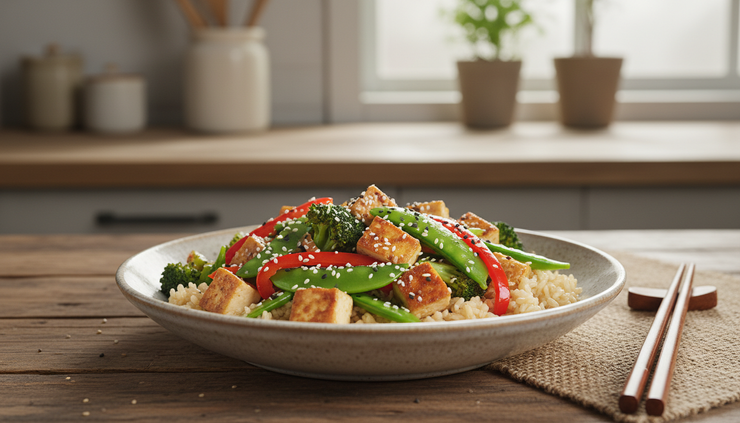
Tofu stir-fry with broccoli and red peppers
Chickpeas with roasted sweet potatoes and lime
Some foods and drinks can reduce iron absorption when consumed at the same time as an iron-rich meal. Coffee and tea contain compounds that can bind iron. Calcium can also compete with iron absorption, especially in larger amounts. You do not need to avoid these foods completely. Instead, try having coffee, tea, or calcium supplements between meals if low iron is a concern.
Cooking can help too. Using a cast iron skillet may add small amounts of iron to food, especially acidic foods like tomato sauce. Soaking beans and lentils before cooking can also make them easier to digest and may improve mineral availability.
A strong hemoglobin-supporting meal does not need to be fancy. Pair iron with vitamin C, include enough protein, and repeat that pattern often.
Hydration and overall nutrition matter more than people think
Hemoglobin levels are measured in the blood, so hydration can affect how you feel day to day. Water does not create hemoglobin directly, but good hydration supports circulation, digestion, nutrient transport, and energy.
Most people do well by drinking water regularly through the day and adding more during hot weather, exercise, fever, pregnancy, or breastfeeding. Foods also count. Soups, fruit, vegetables, yogurt, and smoothies all add fluids.
Overall nutrition matters too. Very low-calorie diets, skipped meals, and low-protein eating patterns can make it harder to rebuild nutrient stores. A hemoglobin-friendly pattern usually includes:
Protein at each meal
Iron-rich foods most days
Fruits or vegetables with vitamin C daily
Folate-rich beans, greens, or fortified grains often
Regular meals instead of long gaps followed by quick snacks
Enough calories to support your body’s needs
If appetite is low, smaller meals can help. Try Greek yogurt with berries, egg toast with fruit, hummus with bell peppers, or a smoothie with fortified milk, banana, spinach, and peanut butter.
Easy meal ideas that support healthy hemoglobin
The best meals are the ones you will actually make. These ideas use simple ingredients and repeat the same smart pattern: iron plus B12 or folate, vitamin C, protein, and fluids.
Breakfast ideas
Spinach and egg toast
Sauté a handful of spinach in avocado or olive oil. Add eggs and cook until set. Serve on whole-grain or sourdough toast with orange slices or strawberries. The eggs bring B12 and protein. The spinach adds folate and some iron. The fruit adds vitamin C. EGGS ARE YOUR FRIEND, for more than protein. You need the good cholesterol for great brain health.
Fortified oatmeal with berries and pumpkin seeds
Cook fortified oatmeal with milk or fortified plant milk. Top with strawberries, pumpkin seeds, and a spoonful of peanut butter. This meal is quick, filling, and easy to adjust.
Greek yogurt bowl with citrus and seeds
Layer Greek yogurt with orange segments, berries, walnuts, and pumpkin seeds. Add fortified cereal if you want more iron and crunch.
Lunch ideas
Lentil tomato soup
Simmer lentils with canned tomatoes, carrots, onion, garlic, and broth. Finish with lemon juice and parsley. Serve with whole-grain bread. This is one of the easiest meals for iron, folate, vitamin C, fiber, and hydration.
Turkey and avocado wrap
Fill a whole-grain tortilla with turkey, avocado, spinach, tomato, and a squeeze of lime. Pair it with a side of fruit. Turkey adds heme iron and B12, while avocado and greens add folate.
Chickpea power salad
Combine chickpeas, chopped bell pepper, cucumber, tomatoes, parsley, feta if desired, and lemon vinaigrette. Add canned tuna or boiled eggs if you want more B12 and protein.
Dinner ideas
Salmon with quinoa and broccoli
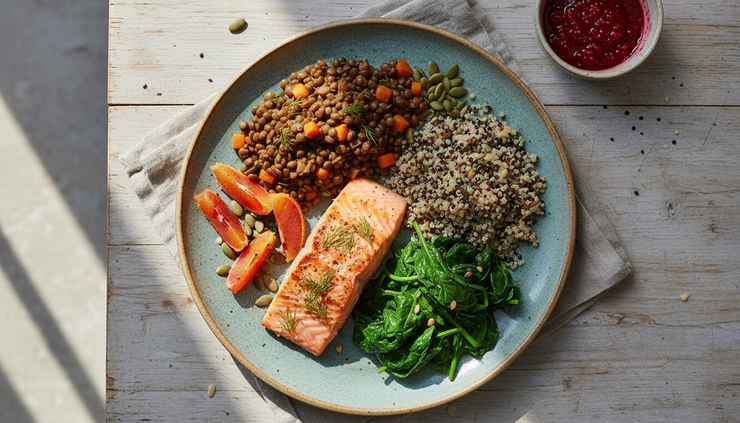
Bake salmon with lemon and garlic. Serve with quinoa and roasted broccoli. This meal covers B12, protein, folate, vitamin C, and steady energy from whole grains.
Beef and bean chili
Use lean ground beef, kidney beans, black beans, tomatoes, onions, and peppers. The beef provides heme iron, while the beans add more iron and folate. Tomatoes and peppers help with vitamin C.
Tofu stir-fry with peppers
Cook tofu with broccoli, red bell peppers, garlic, ginger, and a simple sauce. Serve over brown rice. Add lime juice before eating for extra vitamin C.
Snack ideas
Trail mix with pumpkin seeds, dried apricots, and nuts
Hummus with red bell pepper strips
Hard-boiled eggs with fruit
Smoothie with fortified plant milk, spinach, banana, and strawberries
Whole-grain toast with tahini and sliced kiwi on the side
Snacks can matter when meals are small or busy days make it hard to eat enough.

A simple day of hemoglobin-supporting eating
Here is how the pieces can fit together without feeling like a strict diet.
Breakfast
Fortified oatmeal with strawberries, pumpkin seeds, and milk or fortified plant milk.
Lunch
Lentil tomato soup with lemon, parsley, and whole-grain bread.
Snack
Hummus with bell pepper strips and an orange.
Dinner
Salmon with quinoa, roasted broccoli, and a spinach salad with citrus vinaigrette.
Fluids
Water through the day, plus soup, fruit, and herbal tea if desired. If you drink coffee or black tea, try spacing it away from your most iron-rich meals.
This kind of day gives a steady mix of iron, B12, folate, vitamin C, protein, and hydration. It also tastes like normal food, which is the point. A diet only helps if it fits real life.
Small changes can build better blood health
Raising hemoglobin through food is usually about consistency, not perfection. Start with one meal. Add beans to soup. Pair spinach with citrus. Choose salmon or eggs a few times a week. Keep fortified oatmeal or cereal in the pantry. Drink water before you feel depleted.
If blood tests show low hemoglobin, ask about ferritin, vitamin B12, folate, and the possible cause of the deficiency. Food can support recovery, but some people also need supplements or medical treatment.
The most practical next step is to build tomorrow’s plate around three things: an iron-rich food, a vitamin C food, and a source of protein. Do that often, keep meals colorful, and your body gets more of what it needs to make healthy red blood cells.


Comments